Mold removal Cleveland residents can book by phone at any hour: the crew finds the mold, takes it out, dries the space and explains what let it grow. The work covers basements, attics, crawl spaces, bathrooms and walls in homes across the city and Cuyahoga County. Call (216) 405-2515 and describe what you see.
Mold removal Cleveland homes need: what the work covers
Mold grows where there is moisture. The CDC lists leaks in roofs, windows and pipes, and flooding, as the usual starting points, and says it can grow on wood, drywall, carpet, paper and cardboard. So the job has two halves. The growth comes out, and the cause of the damp is found so the same patch does not come back in a few months.
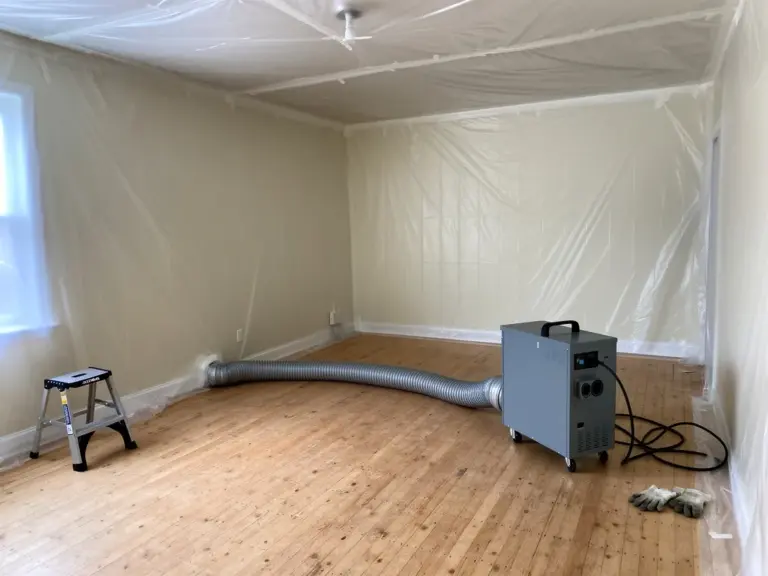
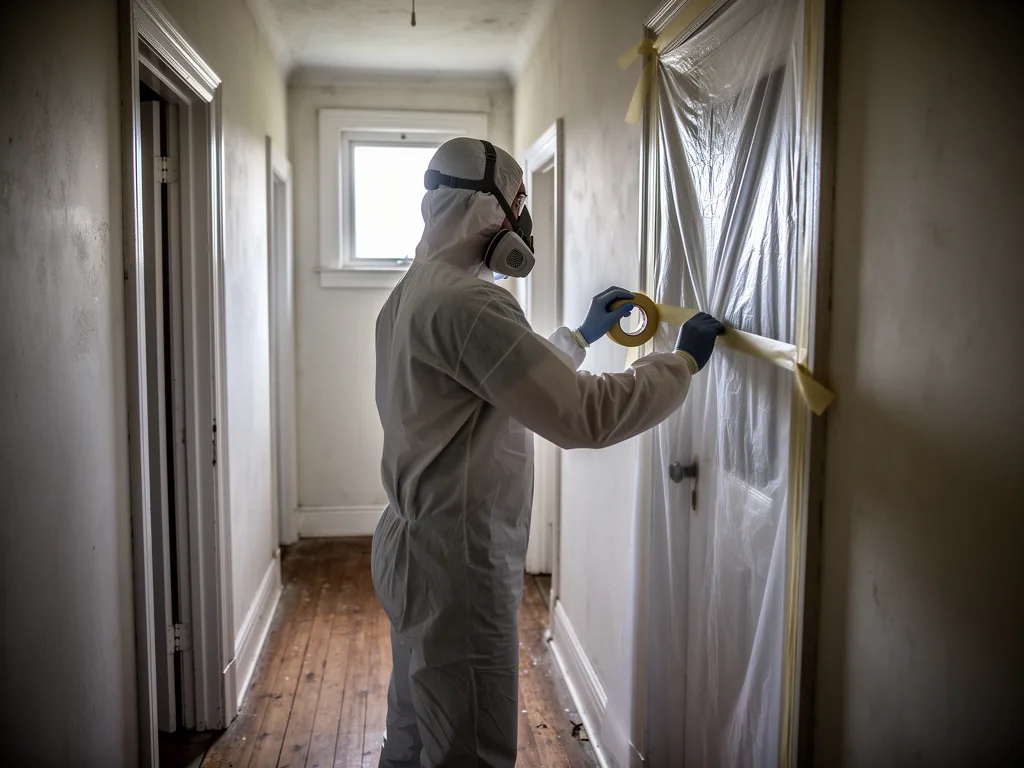
A typical job starts with a visit to see the growth and the materials it is on. The area is closed off, the mold is removed from surfaces that can be saved, and materials that are too far gone are cut out and bagged. Fans and dehumidifiers then dry the space. Before the work area is handed back, the crew checks it again and says plainly what caused the problem.
Where mold turns up in a Cleveland home
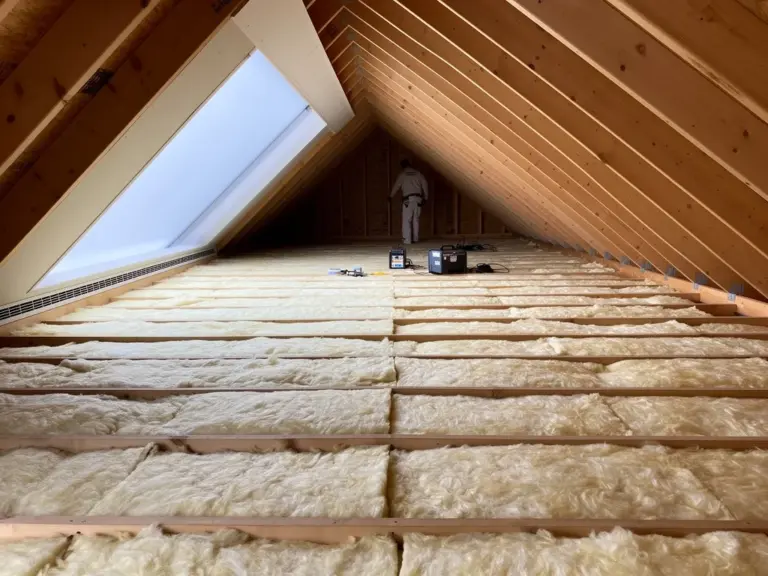
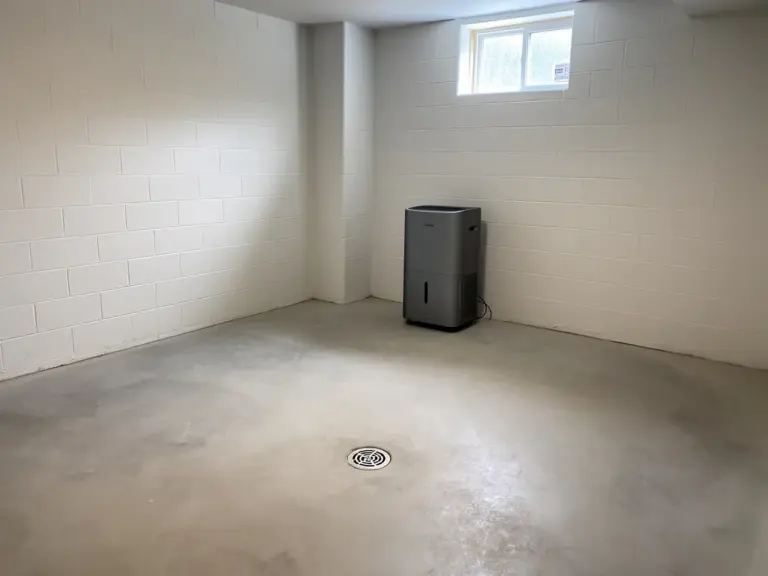
Each part of a house gets damp in its own way, so each has its own page. Basement mold removal covers walls, floors and stored items, where groundwater, snowmelt and drainage problems are common causes. Attic mold removal deals with the roof deck and insulation, where a small leak or warm house air can feed growth for years unseen.
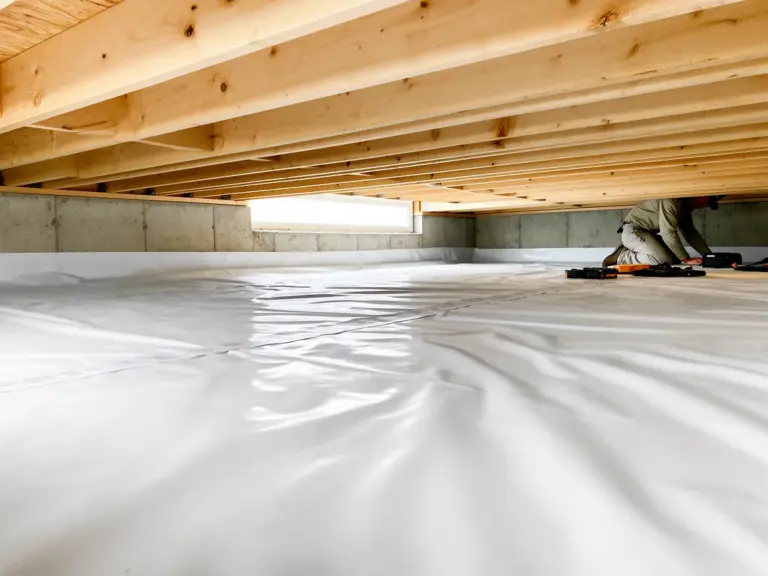
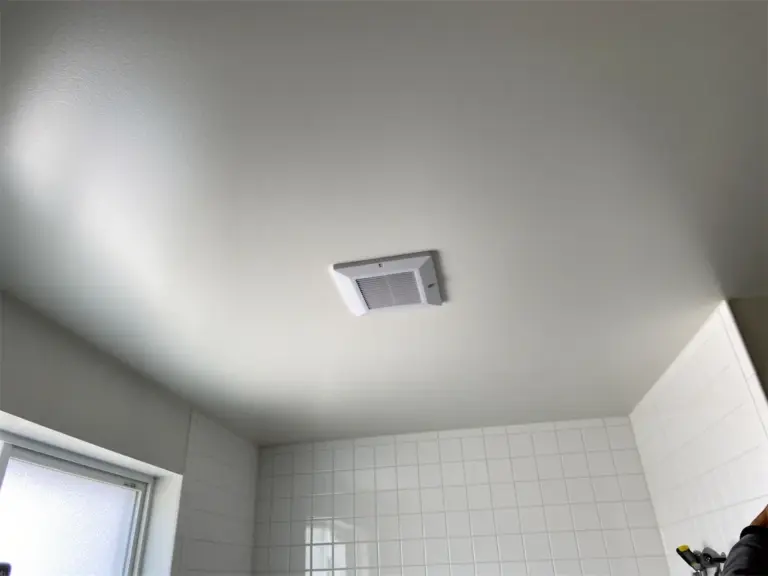
Crawl space mold removal is for the low space under a floor, where ground moisture and wet insulation keep wood damp. Bathroom mold removal handles grout, caulk, ceilings and the wall behind a shower. Wall mold removal covers growth on and inside drywall, which often needs the wall opened.
Dark or black growth gets its own page, black mold removal, because it raises the most questions. The general page, mold removal, explains the whole process from first call to dry-out.
Why the lake and the weather matter here
The National Weather Service in Cleveland describes a lake-effect snowbelt across Northeast Ohio, covering eastern Cuyahoga, Lake, Geauga and Ashtabula counties, where normal snowfall is typically 70 to over 100 inches. Not every Cleveland address sits inside that belt. Wherever heavy snow melts against a foundation or a roof, though, the water has to go somewhere, and in a house with poor drainage or a leaking roof it ends up in the basement or the attic.
Winter also keeps windows shut, so humid air from showers and cooking stays in the house and can settle on cold surfaces.
What to do while waiting for help
The EPA advises fixing plumbing leaks and water problems as soon as possible and drying everything completely. It sets the limit for cleaning up at home at about 10 square feet, roughly a patch three feet by three. It also says not to paint or caulk over moldy surfaces, and not to run the heating and cooling system if mold may be in it.
The CDC does not recommend mold testing, and says that whatever type of mold is present, it needs to be removed. People with asthma, allergies, weak immune systems or chronic lung disease should keep away from the area until it is dealt with.
Signs that point to mold in a home
The CDC says mold can look like spots of many different colors and can smell musty. A smell like that, with nothing visible, is a good reason to look behind furniture, inside closets and along the outside walls. Other clues are paint that bubbles or peels, ceiling stains that grow, and spots that come back soon after they are wiped away.
Damp that lasts is the thing to watch for. A window that drips every morning, a pipe that sweats, or a patch of wall that feels cool and clammy all point to moisture. If a room was ever flooded or soaked, anything that stayed wet for a day or two deserves a close look, including the back of cabinets and the underside of carpet.
Rooms and materials mold likes best
Mold needs two things, moisture and something to feed on. The CDC lists paper, cardboard, ceiling tiles, wood, drywall, carpet and upholstery as places it can grow. Most homes are full of all of these. That is why a small leak can spread growth much further than the wet spot itself.
Some rooms get more than their share. Basements collect ground water. Bathrooms steam up every day. Attics catch warm air that rises from the house. Crawl spaces sit right on damp soil. Walls can hide a slow leak for years. Each place has its own page on this site, because the cause and the cleanup are different in each one.
Water first, then the mold
The EPA puts it plainly: fix plumbing leaks and other water problems as soon as possible, and dry everything completely. Cleaning mold off a wall while the wall is still taking on water is like mopping the floor with the tap running. The mold comes back, usually in the same place and often worse.
That is why a good visit spends as much time on the source of the damp as on the mold itself. It might be a roof, a gutter, a drain, a window seal, a bathroom fan that vents into the attic, or ground water pressing on a basement wall. Some of these fixes belong to a plumber, a roofer or a drainage contractor. The crew will say what it found so the right person can be called.
Water still coming in? Call (216) 405-2515 now. The line is open around the clock.
Who should take extra care around mold
The CDC says people with asthma or mold allergies may have strong reactions, and that people with weak immune systems or long-term lung disease can get lung infections from mold. For others the effects can be mild, such as a stuffy nose, a sore throat, coughing or wheezing, burning eyes or a skin rash. Some people notice nothing at all.
If anyone in the home is in one of the sensitive groups, mention it on the first call. It changes how the work is planned and how the rooms are sealed off. Anyone with health worries should also talk to a health professional, as the EPA advises.
Worried about someone in the home? Call (216) 405-2515 and describe what you see.
How the price is worked out
There is no honest flat price for mold work, because no two jobs match. The size of the area counts. So do the materials, since hard surfaces can often be cleaned while soft ones may have to come out. Access matters too, a crawl space or an attic costs more time than an open room. Repairs after the removal, such as new drywall or paint, are separate from the removal itself.
After the visit the scope is written down, so the price covers a list of things everyone has seen. Ask any contractor for that list before work starts. If a number comes over the phone with no visit, treat it as a guess.
Who to contact and where
The business is at 7909 Euclid Ave, Cleveland, OH 44103, and the phone line is open around the clock on (216) 405-2515. The service area page lists where the crew works, the about page explains how the business works, and the contact page lists the phone number and when the line is open.
Your questions answered
How fast can mold removal start?
The phone line is open around the clock, and the first call sets the timing. Say how large the area is and whether water is still coming in, and ask for the earliest visit available.
How do I know if I have mold in my house?
The CDC says mold can look like spots of many different colors and can smell musty. Growth tends to sit near leaks, windows, pipes and damp corners. If you are unsure, ask for a visit.
What does mold removal cost?
The price depends on how much is affected, which materials are involved and what caused it. A figure given without seeing the problem is a guess, so the price is set after a visit and explained before work starts.
Do I have to leave the house during mold removal?
It depends on the size and place of the job. Containment keeps the work area closed off, and small jobs in one room often leave the rest of the house usable. Ask at the first call, especially if anyone has asthma or allergies.
Which areas does Mold Removal Cleveland cover?
Cleveland and Cuyahoga County. If an address is near the edge of that area, call and ask before booking.
Need mold removal Cleveland can count on? Call now
If you can see or smell mold in a Cleveland home, call (216) 405-2515 any hour of the day or night. Mold removal Cleveland residents ask about most often starts with a plain description of what you see and where, and that is all the first call needs.