
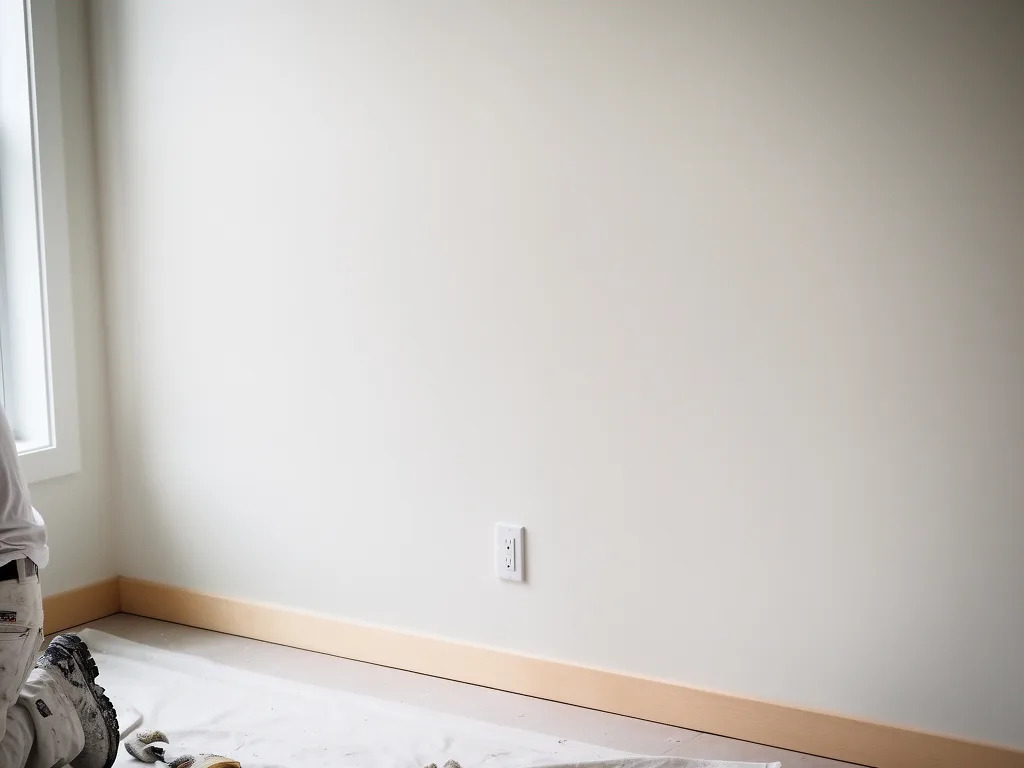
Last updated: October 10, 2026
Mold on a wall may be a patch on the paint or growth that has spread through the drywall and the cavity behind it. Mold Removal Cleveland removes mold from walls in homes in Cleveland, Ohio. This page covers how wall mold is judged, why painting over it does not work and how a wall is opened, cleaned and dried.
Wall Mold Removal: what’s included in the job
- Moisture readings along the wall and on the other side of it.
- Opening of the wall where growth or damp is suspected.
- Removal and bagging of drywall and insulation that cannot be saved.
- Cleaning of studs and other framing.
- Drying of the cavity.
- A note on the leak, condensation or pipe that caused it.
For background, see drywall, the material most interior walls are made of.
What is behind the paint
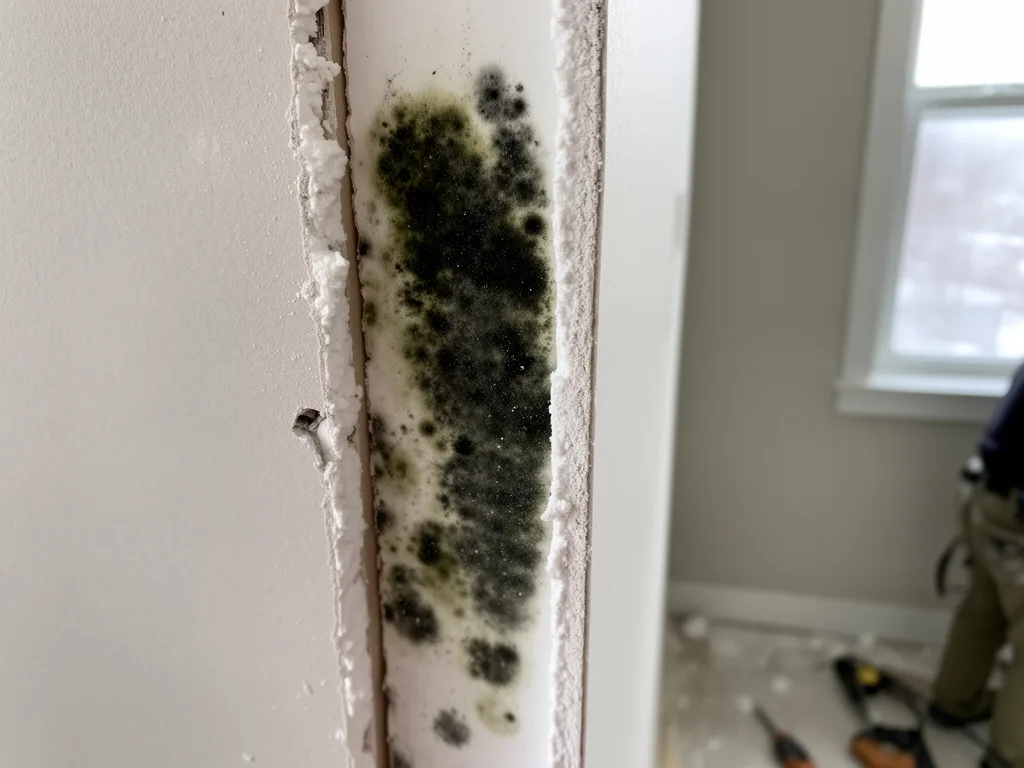
Drywall is paper-faced, and paper is food for mold. Once water gets into a wall from a pipe, a window or a roof leak, growth can spread behind the surface before any stain appears. The CDC page on mold lists drywall among the materials mold grows on.
The EPA guide to mold cleanup in your home says not to paint or caulk over moldy surfaces. Paint seals the mold in, and the stain often bleeds through again.
Ready for a practical answer? Call (216) 405-2515 to discuss your project.
Clues that a wall is wet inside
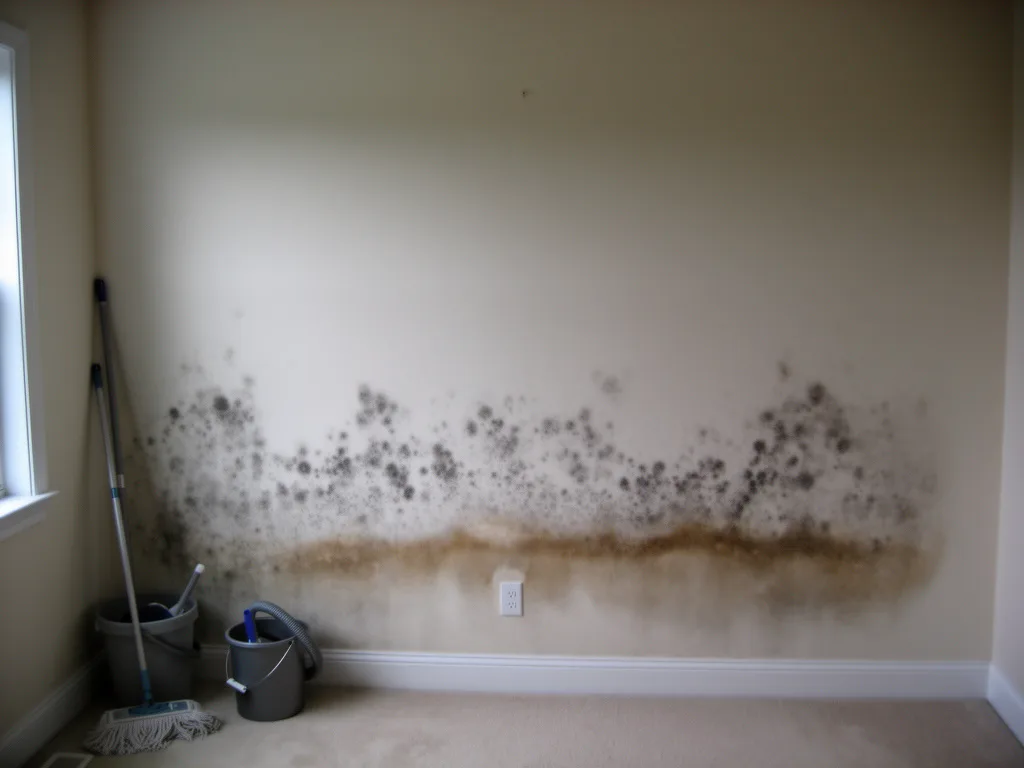
Bubbling or peeling paint, a stain that grows or comes back, a musty smell near a wall and a wall that feels cool or damp to the touch are the usual signs. A stain below a bathroom, a laundry or a window is worth checking first, because that is where leaks and condensation tend to be.
Opening and drying a mold-affected wall
Mapping the damp
A moisture meter is run across the wall and the ones beside it. This shows how far the problem reaches before any cutting starts.
A controlled opening
The wall is cut open inside containment. The crew looks at the back of the drywall, the insulation and the studs.
Taking out the affected sections
Moldy drywall and insulation are removed in pieces and bagged. Studs are cleaned and left open to dry.
Handing back a dry wall
The cavity stays open until readings are low. Closing it up and repainting are done afterward, by the business or by another trade. The crew follows ANSI/IICRC S520, the standard that guides professional mold remediation.
A stain or a soft spot on a wall? Call (216) 405-2515. The line is open around the clock.
Living with mold in a wall
The CDC says people with asthma or mold allergies may have severe reactions and that people with weak immune systems or chronic lung disease can get lung infections. Others may notice nothing. Where someone in the home is in a sensitive group, wall mold deserves early attention.
A wall opened for mold is not finished when the mold is gone. Drywall, insulation and paint still have to go back, and the cavity should be dry first. Ask who handles the rebuild so it is not left half done.
Questions about your specific situation? Call (216) 405-2515 and ask.
More about mold in the home
Mold shows up in different parts of a home, and each has its own page:
- see the mold removal page
- the black mold removal service
- attic mold removal: what it involves
- see the basement mold removal page
- crawl space mold removal: what it involves
- bathroom mold removal explained
Ready to talk through your project?
Call (216) 405-2515Wall mold removal across the wider area
Wall jobs are done in Cleveland and across Cuyahoga County. Call to check that a given address is covered. Cuyahoga County includes Tremont, a neighborhood with historic housing stock. In Euclid, the city reports its combined sewer overflows discharge into Lake Erie. Where the crew works is described on the service area page.
Not sure which option fits your situation? Call (216) 405-2515 and talk it through with a contractor.
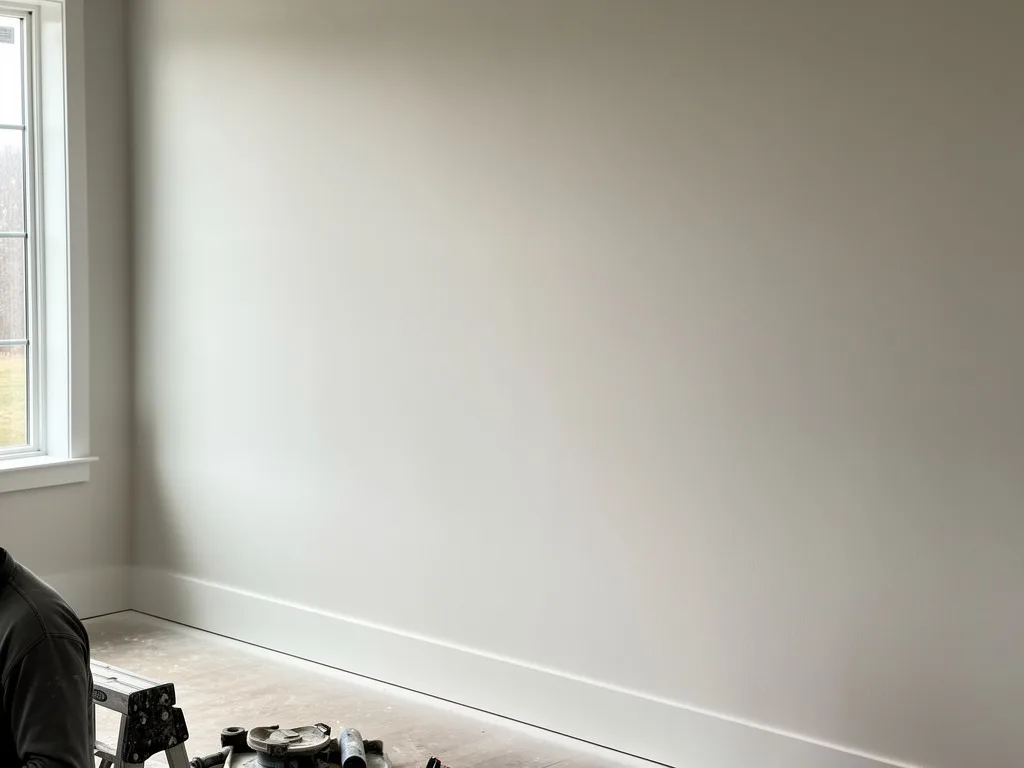
Wall Mold Removal in pictures: before and after
Wall Mold Removal Cleveland: questions and answers
How much does it cost to remove mold from walls?
The cost depends on how much wall is affected, whether it is open or hidden and what caused it. No honest figure can be given without seeing the wall, so the price is set after a visit and explained before work begins.
What kills mold permanently in walls?
Nothing kills it permanently if the damp remains. The growth is removed, the materials that cannot be saved are replaced and the moisture source is fixed. Dry material does not support mold growth.
Can you live in a house with mold in the walls?
Some people notice nothing and others react strongly. The CDC says people with asthma, allergies, weak immune systems or chronic lung disease are more at risk, so it is best not to leave it.