
Last updated: October 10, 2026
Mold removal means taking mold growth out of a building and dealing with the damp that fed it. Mold Removal Cleveland does this work for homes in Cleveland and across Cuyahoga County. The page below explains what the job covers, how it runs and what to expect before anyone starts. If something is growing in your home now, (216) 405-2515.
What’s included with Mold Removal
- A walk through the affected rooms to find the growth and the moisture behind it.
- Containment of the work area so spores are not carried into clean rooms.
- Removal of mold from hard surfaces by scrubbing and cleaning.
- Removal and bagging of materials too porous to clean, such as soaked drywall or carpet.
- Drying of the area until moisture readings come down.
- A last check of the cleaned area before it is handed back.
- A plain explanation of what caused the damp and what to fix.
For background, see background on mold as an organism.
Ready for a practical answer? Call (216) 405-2515 to discuss your project.
Why removal comes before anything else
The CDC page on mold says that no matter what type of mold is present, it needs to be removed. It also says CDC does not recommend mold testing. Both points shape the job: the work starts from what can be seen and smelled, and a lab result is not a condition of starting.
Mold grows where there is moisture. Leaks in roofs, windows or pipes and flooding are the usual starting points, and the growth can sit on wood, drywall, carpet, paper and cardboard. Cleaning the surface without fixing the water only buys time. The mold returns, often in the same place.
The EPA guide to mold cleanup in your home puts the dividing line for do-it-yourself work at about 10 square feet, roughly a patch three feet by three. Past that, or where the water damage is large, a professional crew is the safer call.
Signs that point to hidden mold
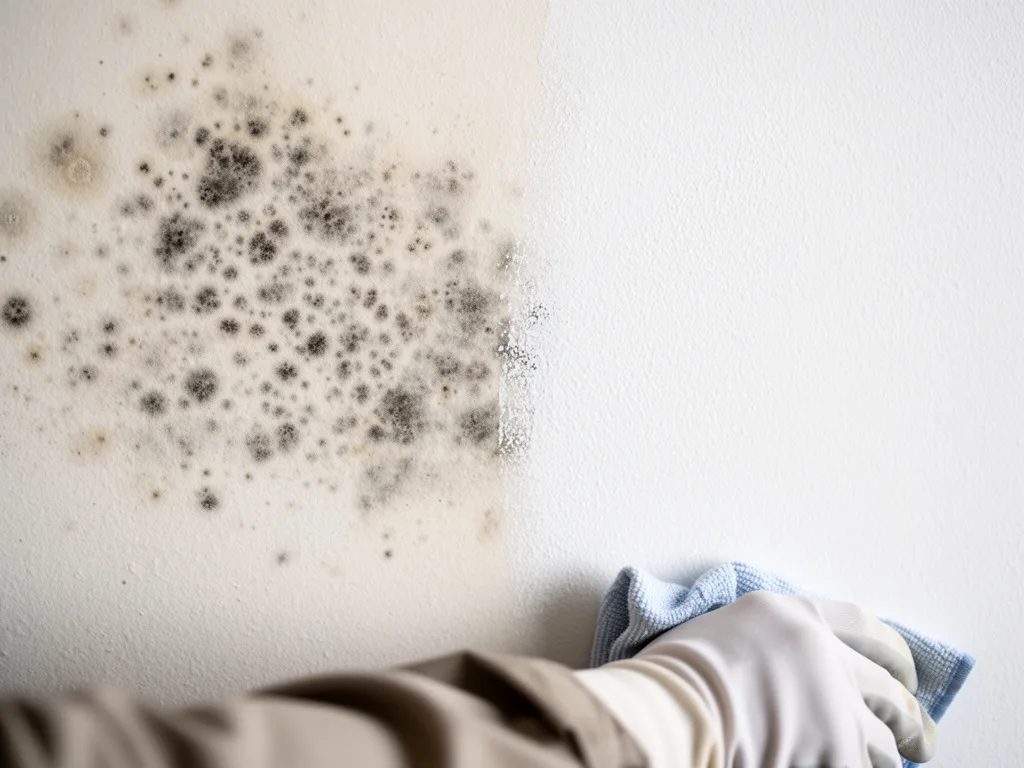
The CDC page on mold says mold can look like spots of many different colors and can smell musty. A musty smell with nothing visible is a reason to look behind furniture, inside closets and along outside walls. Peeling paint, bubbled wallpaper and stains that return after cleaning point the same way.
After a flood or a burst pipe, anything that stayed wet for a couple of days deserves a check, including the backs of cabinets and the underside of carpet.
Questions about your specific situation? Call (216) 405-2515 and ask.
How a mold job runs from first call to handover
The first call and the visit
The first call is about what you can see, where, and how long the damp has been there. A visit follows, and the crew looks at the growth, the materials it is on and the likely source of water.
Setting up the work area
Plastic sheeting and negative air keep disturbed spores inside the work area. Clean rooms stay clean, and the heating and cooling system is not run while the work is going on.
Taking the growth out
Hard surfaces are scrubbed with detergent and water and dried. Porous materials that are badly affected come out and are bagged before they leave the room.
Drying and the last look
Fans and dehumidifiers bring the area down to dry. The crew checks it again before the containment comes down, then explains what caused the problem. The work follows ANSI/IICRC S520, the industry standard for professional mold remediation.
Not sure what you are looking at? Call (216) 405-2515 and describe what you see. The line is open around the clock.
When the answer is more than cleaning
Some jobs are simple: a patch on a hard surface, a known leak that has been fixed, a dry room. Others involve a slow leak inside a wall or a ceiling that has been wet for months. In those cases the repair of the leak, often by a plumber or roofer, has to happen alongside the cleanup, or the work has to be done twice.
What to wear for a small cleanup
For a patch smaller than about 10 square feet, the EPA guide to mold cleanup in your home says that in most cases the job can be handled without a contractor. The EPA mold course lists the minimum protective equipment as gloves, goggles or other eye protection and an N-95 respirator, and says safety glasses or goggles with open vent holes are not acceptable. The CDC cleanup page says to wear at least a NIOSH Approved N95 respirator, protective gloves (non-latex, vinyl, nitrile or rubber) and goggles that provide complete eye protection. Larger patches, or a lot of water damage, are a job for a professional crew.
Not sure which option fits your situation? Call (216) 405-2515 and talk it through with a contractor.
Cleanup first, repair second
Mold comes out before anything is rebuilt. The EPA brief guide to mold and moisture says that if you clean up the mold but do not fix the water problem, the mold problem will most likely come back. It also says absorbent or porous materials, such as ceiling tiles and carpet, may have to be thrown away if they become moldy, and that water-damaged areas and items should be dried within 24 to 48 hours to prevent mold growth. Once the area is clean and dry, damaged drywall, flooring or trim is replaced as a separate step, sometimes by another trade.
When it is more than one room
A whole-house problem is sized room by room: the visit looks at where the growth is, what it is on and where the water came from. The EPA mold course says limited containment is generally used for areas of between 10 and 100 square feet of mold contamination, and full containment is used when areas larger than 100 square feet are to be remediated.
Still weighing your options? Call (216) 405-2515 for a straight answer.
Mold in other parts of the home
Mold shows up in different parts of a home, and each has its own page:
- black mold removal explained
- the attic mold removal service
- basement mold removal: what it involves
- the crawl space mold removal service
- see the bathroom mold removal page
- wall mold removal: what it involves
Ready to talk through your project?
Call (216) 405-2515Mold removal across the wider area
The crew works in Cleveland and across Cuyahoga County. If you are not sure the address is covered, call and ask before booking anything. Cuyahoga County includes Lakewood, where the Birdtown neighborhood was built in the 1890s. In Parma, the sewer district is planning a new Baldwin Creek culvert meant to prevent street and basement flooding. The service area page lists where the crew works.
Ready for a practical answer? Call (216) 405-2515 to discuss your project.
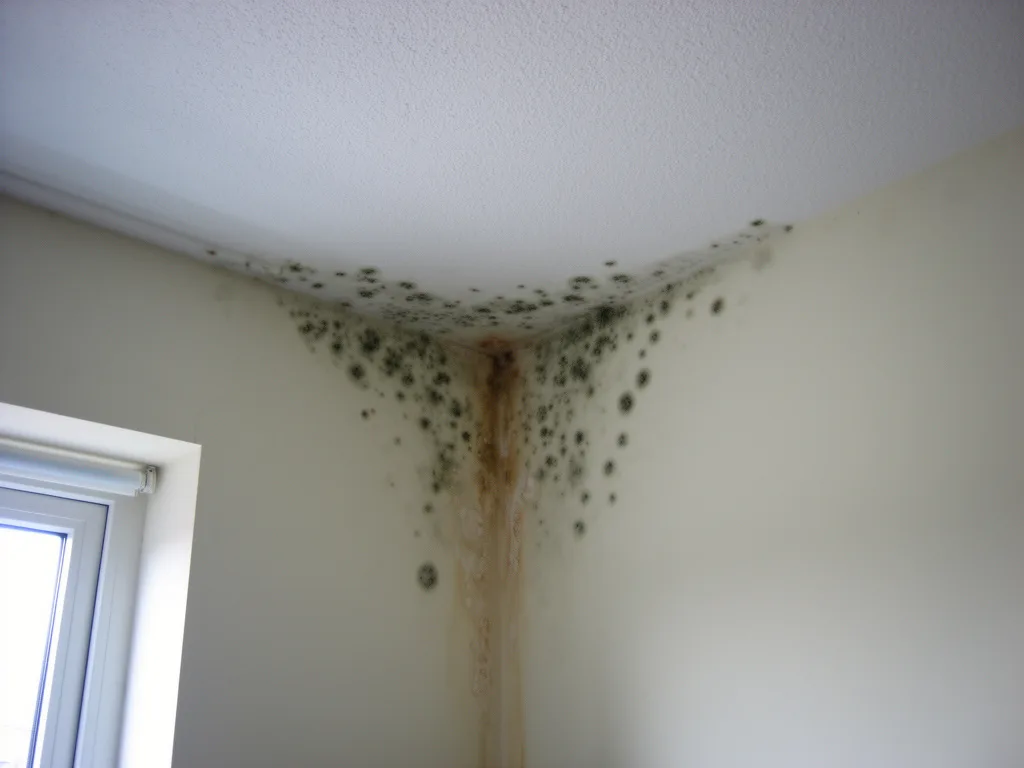
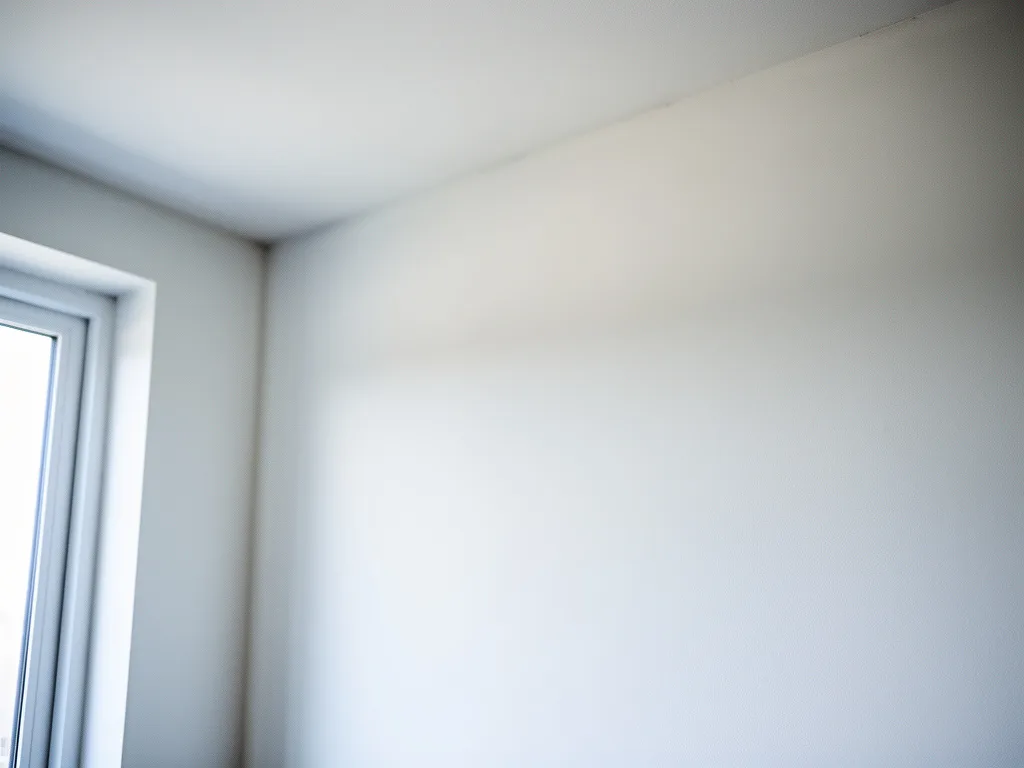
What Mold Removal changes: before and after
Mold Removal Cleveland: common questions
Will my insurance pay for mold remediation?
It depends on the policy and on what caused the mold. Cover often turns on whether the water came from a sudden event or a long-running leak. Read the policy or ask the insurer, and keep photos and any written scope of work.
Does Dawn dish soap kill mold spores?
The EPA lists detergent and water for scrubbing mold off hard surfaces, followed by thorough drying. The aim is to remove the growth, not only to treat it, because the CDC says mold of any type needs to be removed.
Does mold removal need a mold test first?
Not necessarily. The CDC does not recommend mold testing. Visible growth or a musty smell with a known moisture source is usually enough to plan the work.
Do mold sprays work?
The EPA mold course says the routine use of biocides is not recommended, and the EPA cleanup guide lists scrubbing mold off hard surfaces with detergent and water, then drying completely. A spray also does not fix the water problem that fed the mold, and the EPA says the mold will most likely come back if the water problem is not fixed.
What happens after the mold is removed?
The area is dried and the crew checks it again before handing it back, with a plain note on what caused the problem. The EPA says that if you clean up the mold but do not fix the water problem, the mold problem will most likely come back, so the cause is part of the handover.
What happens to furniture and other belongings with mold on them?
The EPA says hard surfaces can be scrubbed with detergent and water and dried completely, and that absorbent or porous materials, such as ceiling tiles and carpet, may have to be thrown away if they become moldy. What can be saved is decided on the visit.