
Last updated: October 10, 2026
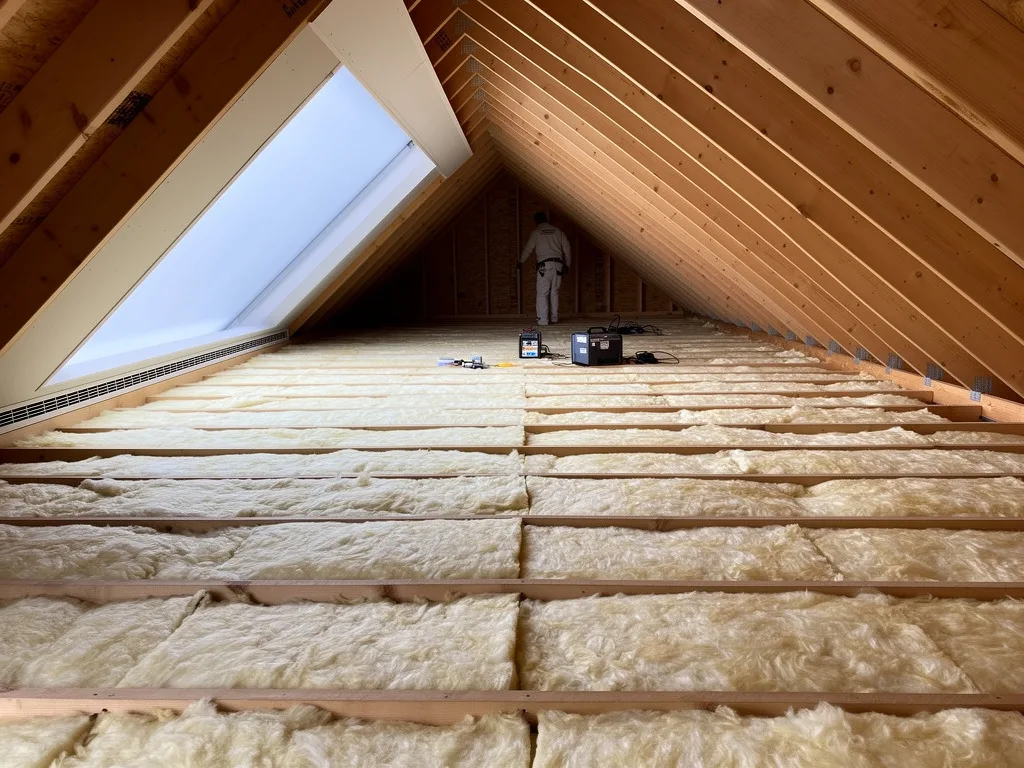
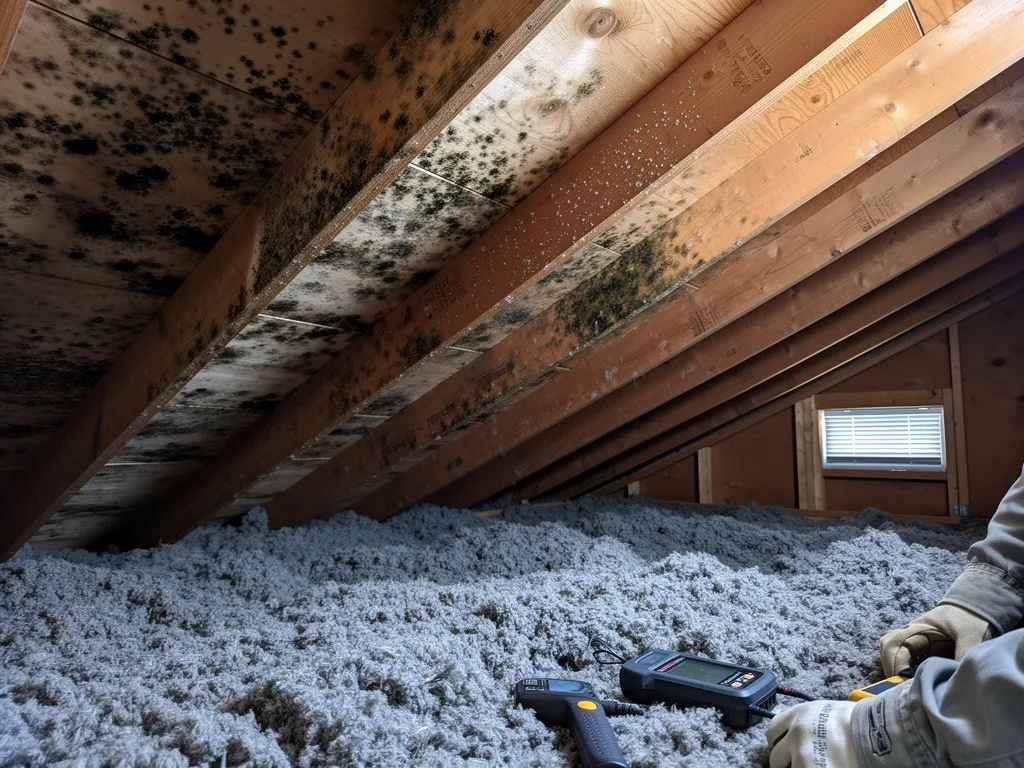
Attic mold usually shows up as dark patches on the underside of the roof deck, on rafters or on the insulation. Mold Removal Cleveland removes it from attics in Cleveland and nearby towns. This page explains why attics grow mold, what the removal covers and why the cleanup only lasts if the moisture is dealt with.
What’s included in a Attic Mold Removal job
- A look at the roof deck, rafters, insulation and vents for growth and wet spots.
- Sealing off the attic hatch so dust stays out of the living space.
- Removal and bagging of insulation that is wet or covered in growth.
- Cleaning of wood surfaces that can be saved.
- Drying of the attic space.
- A review of the ventilation and any leaks that fed the mold.
For background, see how an attic is built and used.
Why attics grow mold
The CDC page on mold lists leaks in roofs as a common cause of indoor mold. In an attic a leak is only one route. Warm air from the house can carry moisture up into a cold space, and in a Northeast Ohio winter that moisture condenses on cold wood. Bathroom fans that vent into the attic instead of outside make it worse.
Because the roof deck is wood, a small, long-running leak can feed growth for years before anyone goes up to look. The National Weather Service describes a lake-effect snowbelt across Northeast Ohio, including eastern Cuyahoga County, so heavy winter snow is part of the picture for many roofs in the area.
Ready for a practical answer? Call (216) 405-2515 to discuss your project.
What can be seen from the attic hatch
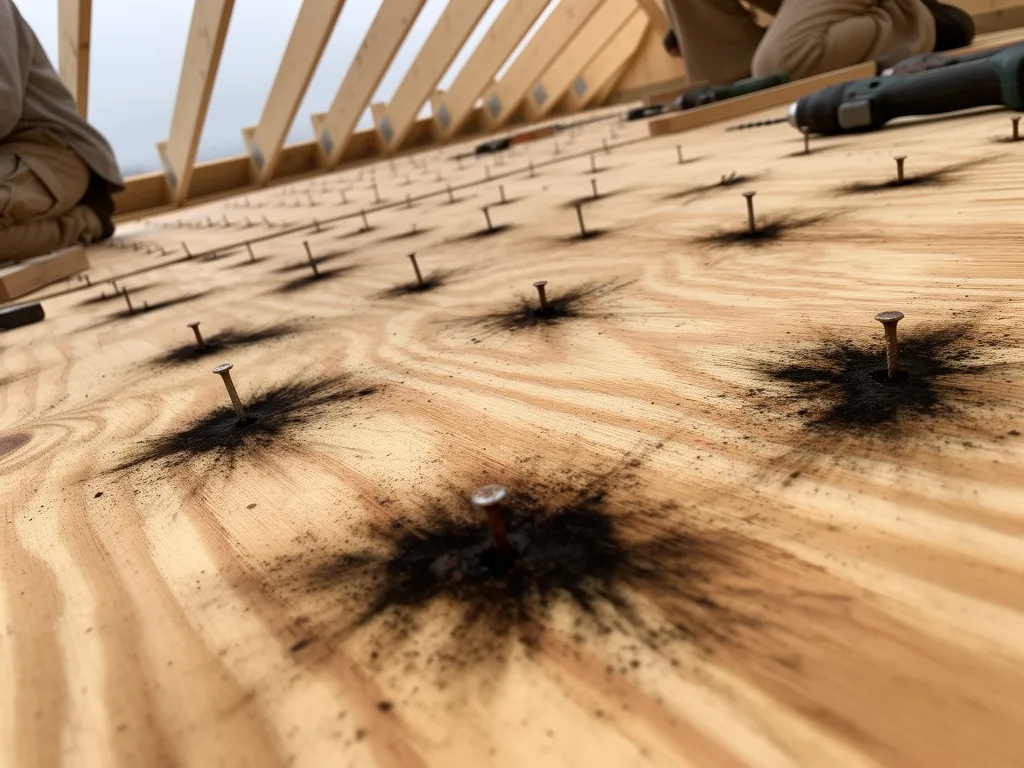
From the hatch, look for dark stains on the underside of the roof deck, damp or matted insulation, frost in cold weather and a musty smell that follows the stairs down. Rust on nail tips can mean condensation. Do not walk on the joists without knowing what is under the insulation, and do not disturb dark growth without a mask and a plan.
Clearing mold from an attic, stage by stage
Looking before touching
The first pass is slow and careful. The crew follows the stains to find where the damp enters, and photographs what is found.
Protecting the rooms below
The hatch is sealed and the path to it covered, so dust from above does not drift through the house.
Removing and cleaning
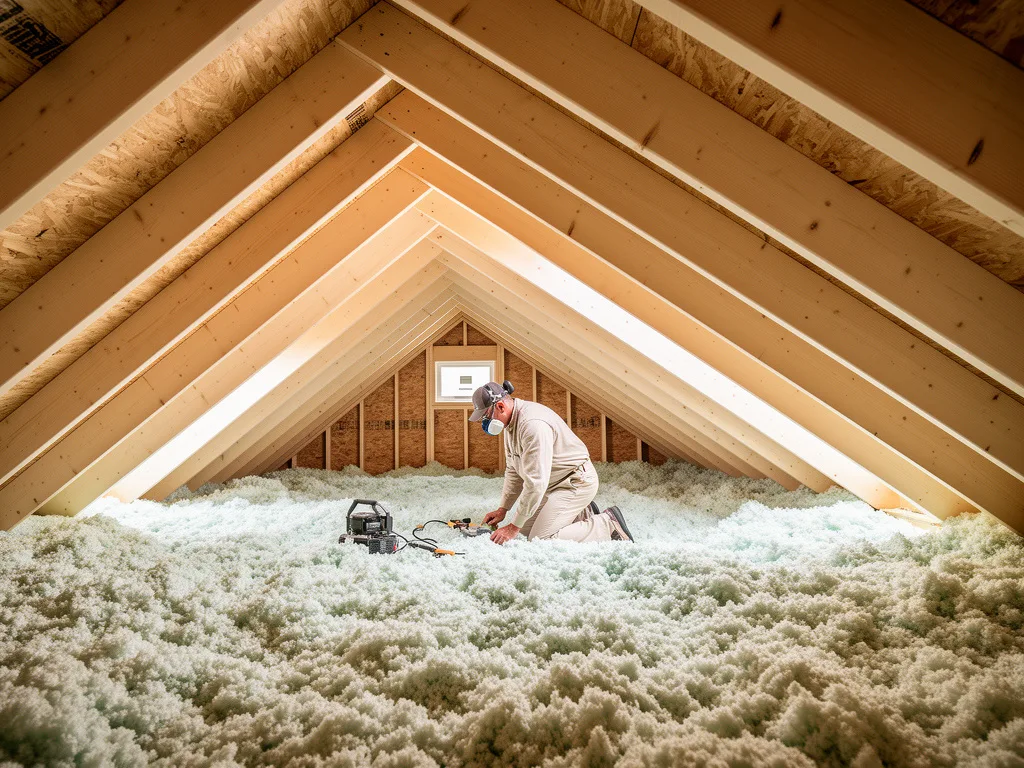
Soaked insulation is bagged and carried out. Wood is scrubbed and left to dry fully before anything is put back.
Fixing the cause with others
A roofer, an insulation contractor or an electrician may be needed for the repair. The crew says what the problem is so the right trade can be called. Throughout, the crew follows ANSI/IICRC S520, the industry standard for mold remediation.
Staining on the roof boards or a musty hatch? Call (216) 405-2515 and describe it. The line is open around the clock.
The ventilation question
A cleaned attic that still has poor airflow or a bathroom fan venting into it will grow mold again. Ventilation and insulation are separate jobs from mold removal, but they decide whether the removal lasts.
Questions about your specific situation? Call (216) 405-2515 and ask.
Mold below the roofline
Mold shows up in different parts of a home, and each has its own page:
- see the mold removal page
- the black mold removal service
- see the basement mold removal page
- crawl space mold removal: what it involves
- bathroom mold removal explained
- wall mold removal explained
Ready to talk through your project?
Call (216) 405-2515Attic mold removal across the wider area
The crew covers Cleveland and Cuyahoga County. Call to confirm an address before booking. Cuyahoga County includes Lakewood, with homes dating to the 1890s and early 1900s in Birdtown and Victorian Village. About 75 percent of Shaker Heights is on the National Register of Historic Places. The service area page explains where the crew works.
Not sure which option fits your situation? Call (216) 405-2515 and talk it through with a contractor.
Attic Mold Removal: before and after
Attic Mold Removal Cleveland: what people ask
Can mold in the attic be removed?
Yes. The growth is cleaned or cut out, the area is dried and the cause of the moisture is dealt with. Without that last step it can come back, so the cause is part of the plan.
Is black mold in the attic a serious problem?
Dark growth in an attic is worth acting on. The CDC says any type of mold needs to be removed and that effects vary by person, with asthma and allergy sufferers more at risk. Attic air can reach the rooms below.
What causes mold in an attic?
Moisture. Roof leaks, warm house air condensing on cold wood and bathroom fans vented into the attic are common routes. Finding which one applies is part of the visit.