
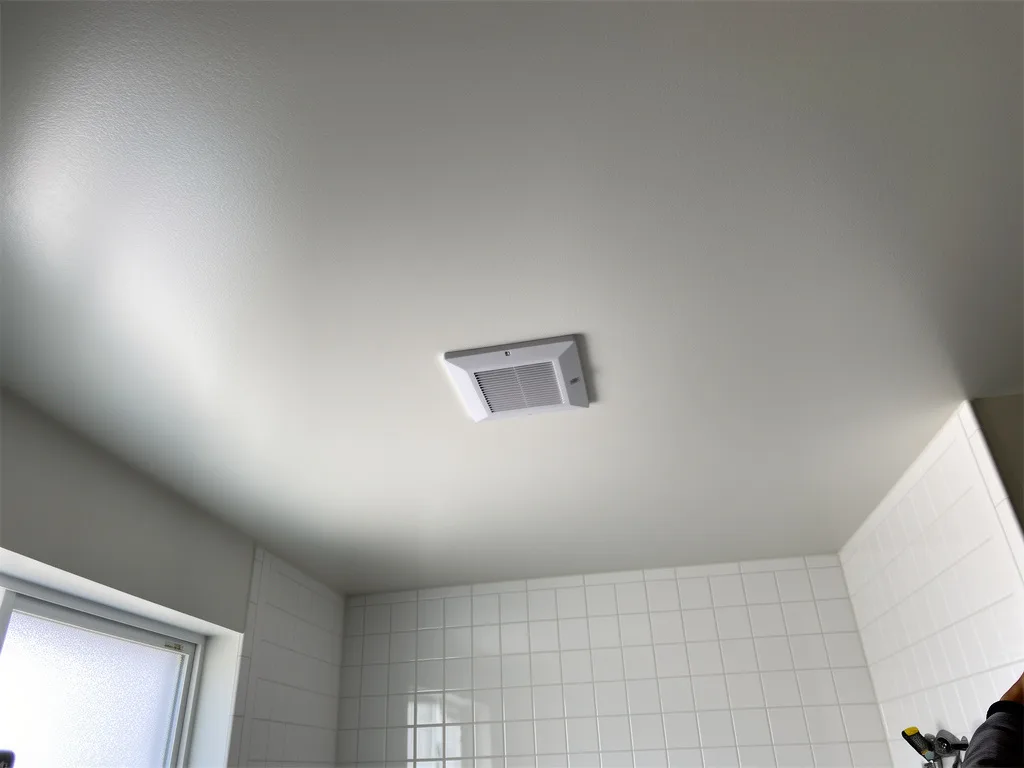
Last updated: October 10, 2026
Bathrooms are warm and wet every day, so mold finds them easily. Mold Removal Cleveland removes mold from bathrooms in Cleveland and across Cuyahoga County. Small spots on grout can be handled at home. This page explains how to tell those from the cases that need a crew, and what the removal involves.
Bathroom Mold Removal: what’s included
- A check of grout, caulk, ceiling, exhaust fan and the wall behind the tub or shower.
- Scrubbing of tile, grout and other hard surfaces.
- Removal of caulk or grout that mold has grown into.
- Removal of soft drywall or ceiling sections that are wet and moldy.
- Drying of the room.
- Advice on ventilation.
For background, see how a bathroom is laid out.
Ready for a practical answer? Call (216) 405-2515 to discuss your project.
A bathroom job in plain steps
The EPA guide to mold cleanup in your home gives the basic method for hard surfaces: scrub the mold off with detergent and water, then dry the area completely. It also says to increase ventilation in bathrooms by running a fan or opening a window, and to clean more often.
It says not to paint or caulk over moldy surfaces. That matters here, because fresh caulk laid over mold traps it. Porous material such as ceiling tiles or carpet may need to be thrown away once it is moldy.
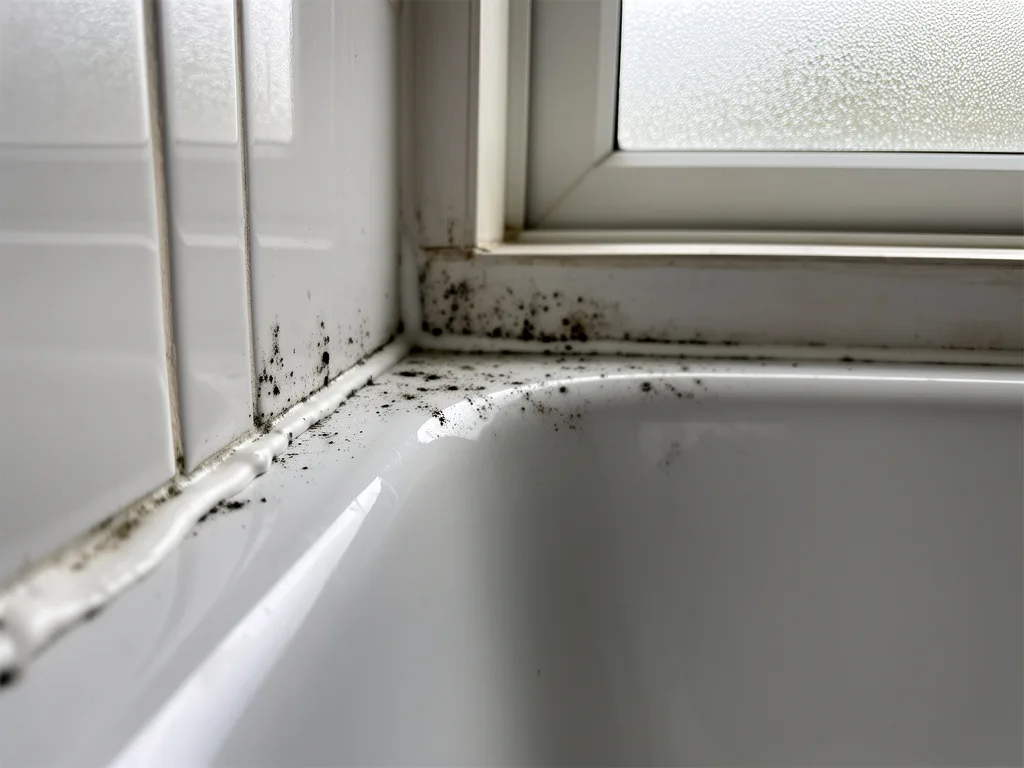
Spots worth acting on in the bathroom
Black lines along caulk, speckling on the ceiling over the shower, paint that peels near the tub and a soft or swollen spot on the wall or floor are the signs that count. A spot that comes back within weeks of cleaning means the damp has not been dealt with.
Questions about your specific situation? Call (216) 405-2515 and ask.
Clearing a bathroom, from first look to dry room
Finding where the water goes
The crew checks the fan, the shower seals and the wall behind the fixtures. Mold at a corner often has a leak or a poor seal behind it.
Scrubbing what can be saved
Tile and grout that are sound are cleaned and dried. Worn grout may be raked out.
Replacing what cannot be cleaned
Caulk and any soft or swollen board are removed. Resealing happens only after the surface behind is dry.
Drying and a ventilation check
The room is dried and the fan is checked for airflow and for where it vents. The work follows ANSI/IICRC S520, the industry standard for mold remediation.
Black spots in the grout or on the ceiling? Call (216) 405-2515. The line is open around the clock.
When mold behind the tile is the real problem
Spots on grout are often the visible part of something bigger. Mold behind tile, under a vanity or on the ceiling below an upstairs bathroom points to a leak. In those cases the wall is opened, the leak is repaired by a plumber and the area is dried before any finish goes back.
Rental bathrooms and shared ones in older homes often have fans that are weak or vent into the ceiling. Tell the crew when the fan was last checked, since that detail changes what is advised after the cleaning.
Tub, caulk and grout
Mold along a tub or on caulk often starts as a small patch on a hard surface. The EPA guide to mold cleanup in your home says to scrub mold off hard surfaces with detergent and water and dry completely, and that a patch under about 10 square feet can in most cases be handled without a contractor. If mold keeps coming back to the same spot after cleaning, the EPA brief guide to mold and moisture says the water problem has most likely not been fixed. It advises running the bathroom fan or opening the window when showering, and fixing plumbing leaks as soon as possible.
Not sure which option fits your situation? Call (216) 405-2515 and talk it through with a contractor.
Other rooms where mold appears
Mold shows up in different parts of a home, and each has its own page:
- see the mold removal page
- the black mold removal service
- see the attic mold removal page
- basement mold removal explained
- crawl space mold removal: what it involves
- wall mold removal explained
Ready to talk through your project?
Call (216) 405-2515Bathroom mold removal across the wider area
Bathroom work is done in Cleveland and across Cuyahoga County. Call to check that an address is covered. The county takes in Shaker Heights, where about 75 percent of the city is on the National Register of Historic Places. Tremont is one of Cleveland’s oldest neighborhoods, with historic housing stock. See the service area page for where the crew works.
Still weighing your options? Call (216) 405-2515 for a straight answer.
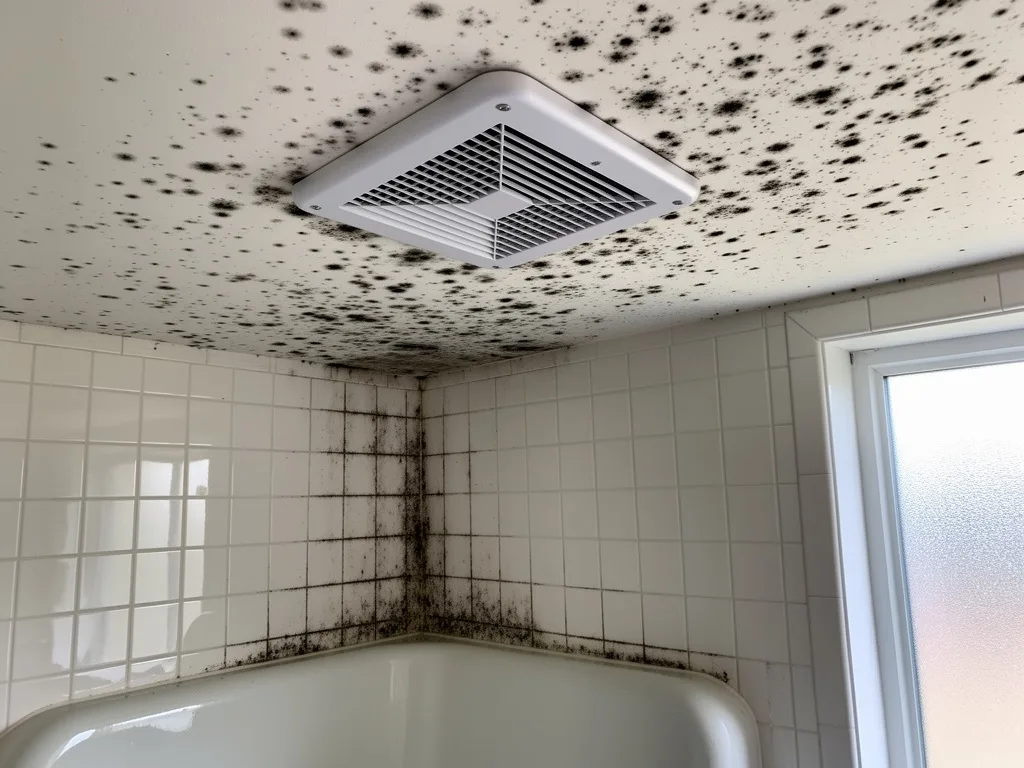
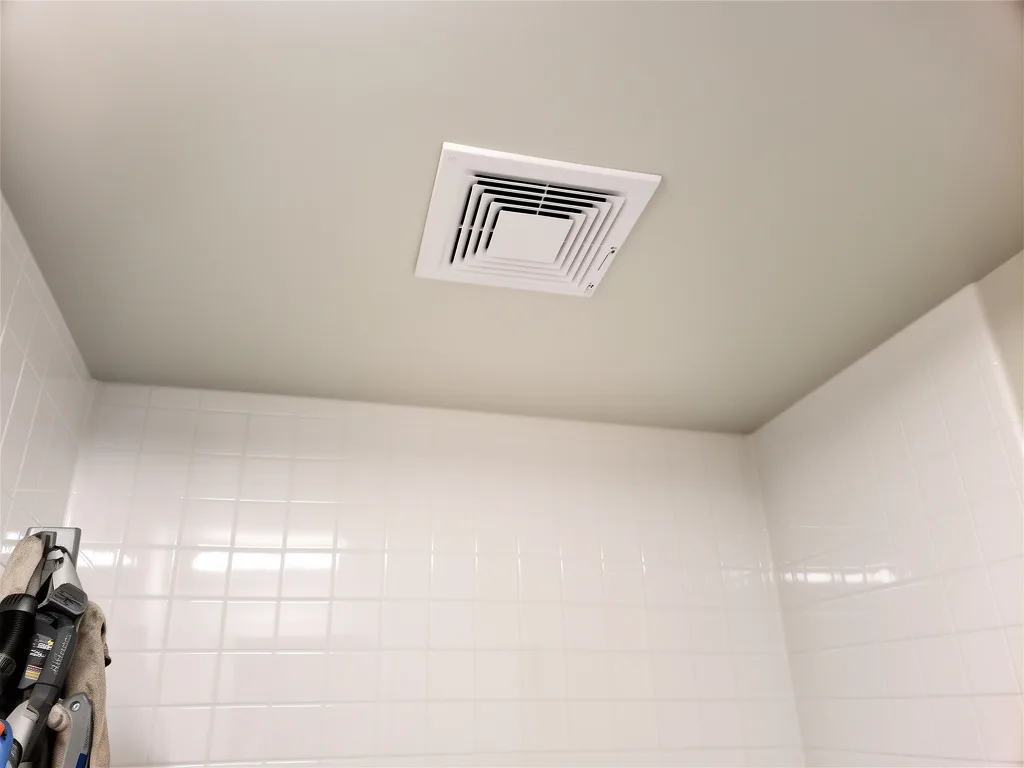
Before and after: Bathroom Mold Removal
Bathroom Mold Removal Cleveland FAQs
How to properly remove mold from a bathroom?
For hard surfaces the EPA says to scrub with detergent and water and dry completely, with the fan on or a window open. Do not paint or caulk over mold, and replace porous material that is moldy.
Why does bathroom mold keep coming back?
The surface is usually cleaned but the moisture is not dealt with. Weak ventilation, a leaking seal or a damp wall cavity gives the mold what it needs again.
Should moldy caulk be replaced?
If mold has grown into caulk or grout that scrubbing cannot clean, removing and replacing it is the cleaner fix. Re-seal only once the surface behind is fully dry.