
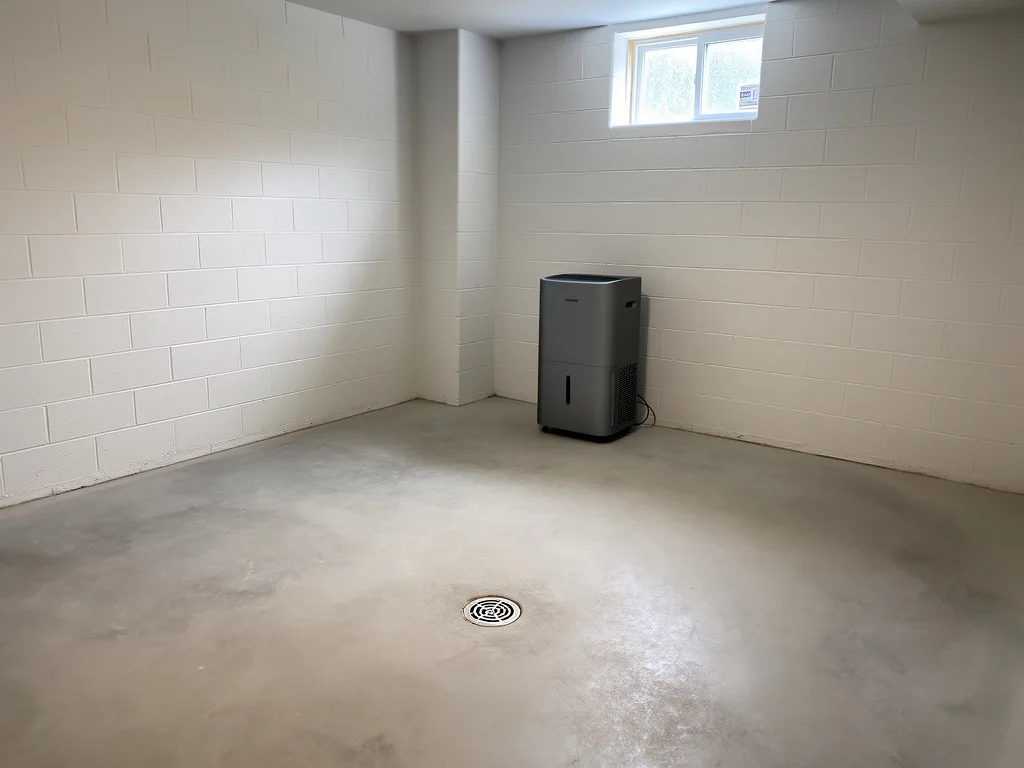
Last updated: October 10, 2026
Basements stay cool and damp, which suits mold. Mold Removal Cleveland removes mold from basements in Cleveland and across Cuyahoga County, from patches on a wall to growth after a flood. This page covers the usual causes, the removal itself and the point at which cleaning at home stops being sensible.
What’s included in Basement Mold Removal
- A check of walls, floor, ceiling joists and stored belongings for growth and damp.
- Containment of the stairwell and the work area.
- Removal of wet drywall, carpet and padding that cannot be cleaned.
- Scrubbing of concrete, block and framing that can be saved.
- Drying with fans and dehumidifiers until readings come down.
- Advice on drainage, gutters and grading around the house.
For background, see what a basement is and how it is built.
Where basement damp comes from
The CDC page on mold names leaks and flooding as common starting points for indoor mold. A basement adds more: water pushing through a wall or floor joint, a downspout that empties beside the foundation, a failed sump pump or a clothes dryer vented into the room.
A winter thaw or a heavy spring rain can be hard on any basement. Melt water and rain load the ground around the house, and water finds the weakest point. Mold needs a damp surface and something to eat, and a finished basement offers drywall, carpet and wood trim.
Still weighing your options? Call (216) 405-2515 for a straight answer.
Signs the basement is taking on water
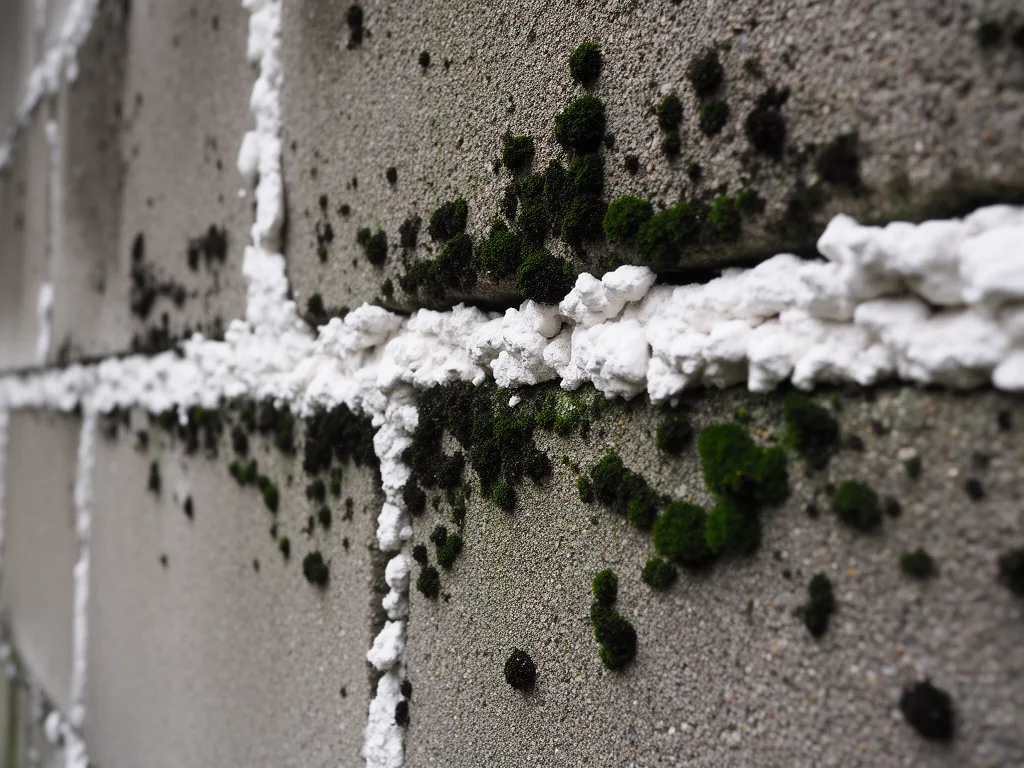
White powder on block or concrete, peeling paint low on the wall, a musty smell that gets worse after rain and damp cardboard boxes are common signs. The CDC lists paper and cardboard, drywall and carpet among the things mold grows on, so a basement used for storage gives it plenty to work with.
What happens in the basement, in order
Walking the walls and floor
The crew looks for the tide marks, white mineral deposits and damp spots that show where water comes in, and notes what is stored against the walls.
Clearing and covering
Belongings are moved or bagged. The stairs and the route out are covered, and the basement is sealed from the floors above.
Taking out what the damp has ruined
Wet carpet, padding and bottom sections of drywall are cut away. Porous material that is moldy may need to be thrown away, as the EPA notes.
Dry-out and handover
Dehumidifiers run until the area is dry. The crew explains where the water came from and what to ask a waterproofing or drainage contractor. The job follows ANSI/IICRC S520, the industry standard for professional mold remediation.
A damp smell or a wet wall downstairs? Call (216) 405-2515. The line is open around the clock.
When to call and when to wait
The EPA guide to mold cleanup in your home treats about 10 square feet as the limit for do-it-yourself cleanup. A basement with a long wall of growth, a recent flood or a sewage backup is beyond that. Sewage in particular calls for a professional experienced with contaminated water.
Ready for a practical answer? Call (216) 405-2515 to discuss your project.
Mold in the rest of the house
Mold shows up in different parts of a home, and each has its own page:
- see the mold removal page
- the black mold removal service
- see the attic mold removal page
- crawl space mold removal: what it involves
- bathroom mold removal explained
- wall mold removal explained
Ready to talk through your project?
Call (216) 405-2515Basement mold removal across the wider area
Basement work is done in Cleveland and across Cuyahoga County. Call to check coverage for a given address. The county includes Parma, where a planned Baldwin Creek culvert is meant to prevent basement flooding on neighboring roads. In Euclid, permitted combined sewer overflows discharge into Lake Erie, with one exception that goes to Euclid Creek. For the area covered, see the service area page.
Questions about your specific situation? Call (216) 405-2515 and ask.
The surface before and after Basement Mold Removal
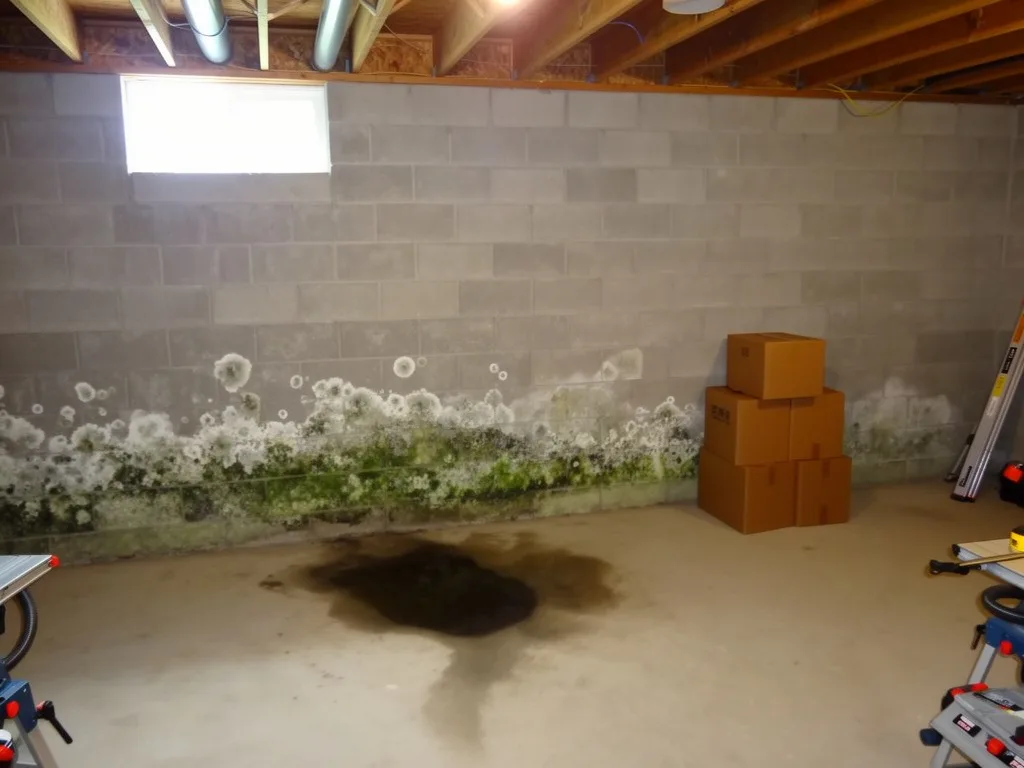
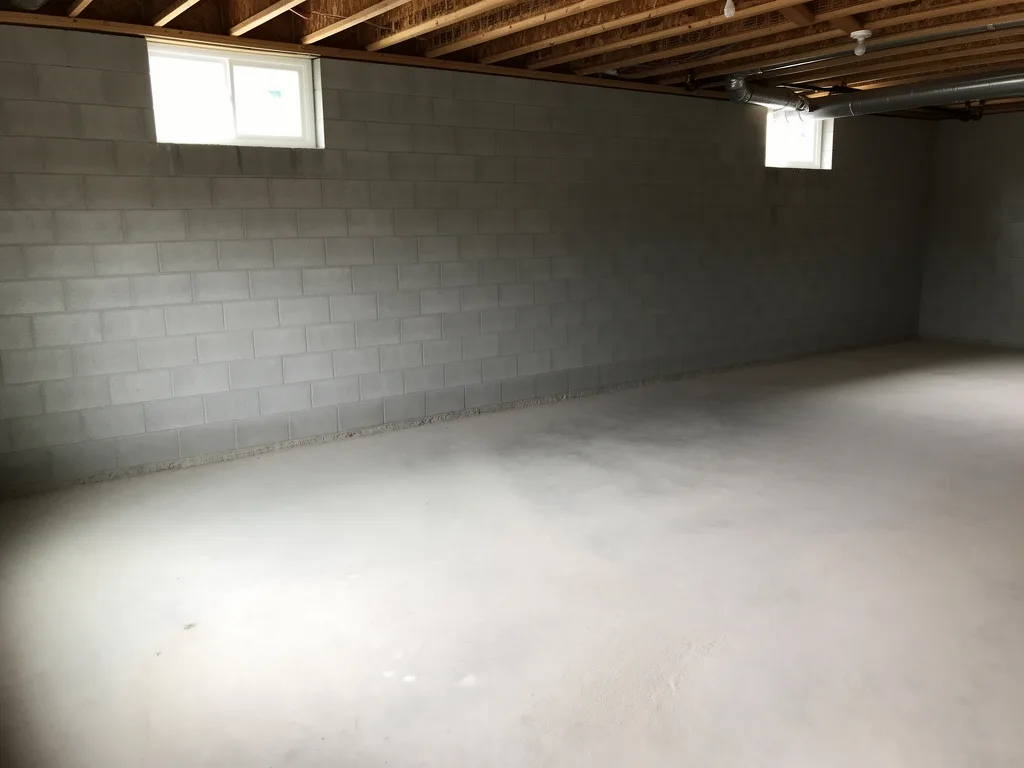
Basement Mold Removal Cleveland: before you book
How do I know if basement mold needs a professional?
The EPA puts the do-it-yourself limit at about 10 square feet. Larger areas, flood damage, sewage or health concerns point to a professional, and the EPA says to see a health professional first if there are health worries.
What causes basement mold?
Moisture from leaks, flooding, groundwater, poor drainage or a vented dryer. Without a lasting fix for the water, cleaned areas tend to grow mold again.
What are the tenant rights regarding relocation due to mold in Ohio?
That is a legal question and this business cannot advise on it. A tenant can document the mold with dated photos, tell the landlord in writing and ask a landlord-tenant attorney or a legal aid office about options.