
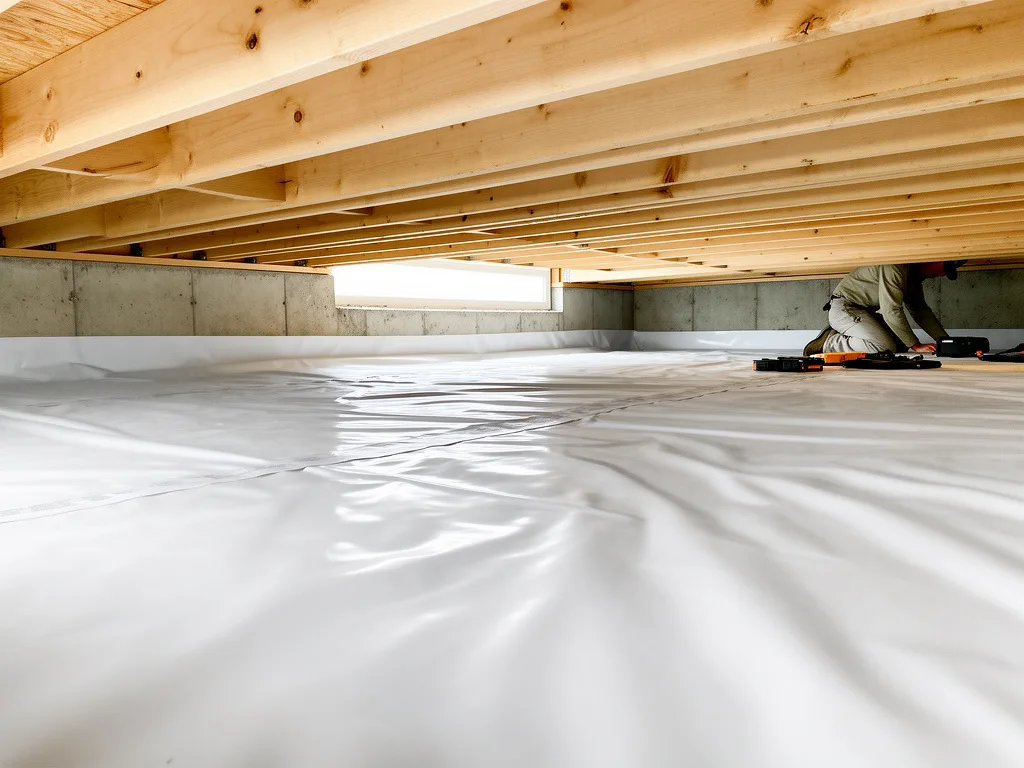
Last updated: October 10, 2026
A crawl space is a low, dark area under a floor, and it stays damp more easily than the rooms above it. Mold Removal Cleveland removes mold from crawl spaces in Cleveland, Ohio. The cleanup is awkward work in a tight space, which is one reason people hire it out. The notes below explain how it is done.
What’s included in your Crawl Space Mold Removal
- Entry and a full look at joists, subfloor, insulation, pipes and the ground below.
- Moisture readings on the wood.
- Removal of wet or moldy insulation and loose debris.
- Cleaning of joists and subfloor underside.
- Drying of the space before it is closed up.
- A written note on drainage, vapor control and vents.
For background, see what a crawl space is.
Why this space grows mold
The ground under a crawl space gives off moisture all the time. Add a leaking pipe, a downspout that discharges nearby or vents that bring in humid summer air, and the wooden floor above becomes a place for mold to take hold. Insulation that has been wet holds the damp against the wood.
Air moves between a crawl space and the home above it, so a musty smell upstairs is often the first sign of a problem below.
Not sure which option fits your situation? Call (216) 405-2515 and talk it through with a contractor.
Clues that the problem is under the floor
Cold or soft floors, a musty smell upstairs that is strongest near the floor, insulation hanging down from the joists and condensation on pipes all point to a damp crawl space. Standing water or wet soil after rain confirms it. The space should be entered only with proper protection.
Work under the floor, from entry to close-up
Getting in and looking
Access can be a small hatch. The crew checks the structure and the ground for standing water and tracks where growth is heaviest.
Taking out the soaked insulation
Insulation that is wet or moldy is pulled and bagged. It cannot be dried in place with any confidence.
Cleaning the wood
Joists and subfloor are cleaned. Wood that is soft or rotten is flagged for a carpenter.
Drying the space
Moisture is brought down before the hatch is closed. Without that step the growth returns in the same spot. The crew works to ANSI/IICRC S520, the standard for professional mold remediation.
Not sure what is under the floor? Call (216) 405-2515. The line is open around the clock.
Moisture control that lasts
The EPA guide to mold cleanup in your home lists fixing leaks and water problems as soon as possible and drying everything completely. In a crawl space that can mean a ground vapor barrier, gutters and grading that carry water away and a sump pump where water collects. Those jobs belong to other trades, and the crew will say what it saw so quotes can be asked for.
Ask what the crew will do about the ground as well as the wood. A cleaned crawl space with bare, wet soil is still a damp space. Where a vapor barrier or drainage fix is recommended, ask for it in writing so it can be priced by a specialist.
Still weighing your options? Call (216) 405-2515 for a straight answer.
Damp trouble elsewhere in the building
Mold shows up in different parts of a home, and each has its own page:
- the mold removal service
- black mold removal explained
- the attic mold removal service
- basement mold removal: what it involves
- see the bathroom mold removal page
- wall mold removal: what it involves
Ready to talk through your project?
Call (216) 405-2515Crawl space mold removal across the wider area
Crawl space jobs are done in Cleveland and across Cuyahoga County. Call to check a particular address. Cuyahoga County includes Tremont, one of Cleveland’s oldest neighborhoods. In Lakewood, Victorian Village dates to the early 1900s. The service area page covers where the crew works in the county.
Ready for a practical answer? Call (216) 405-2515 to discuss your project.
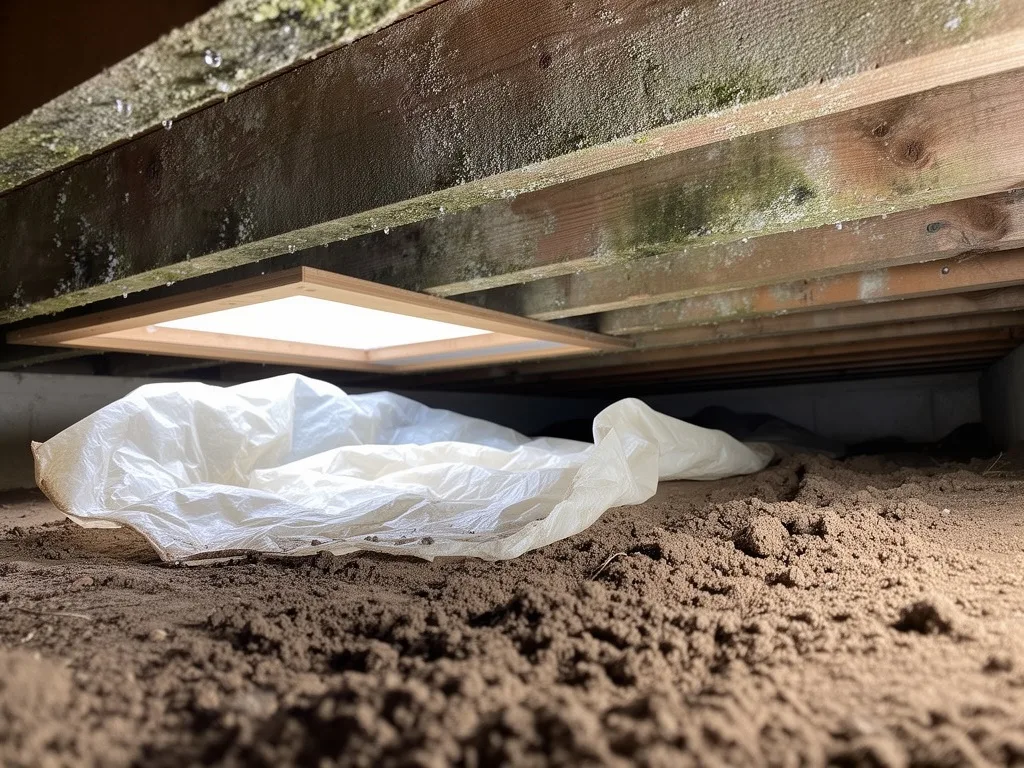
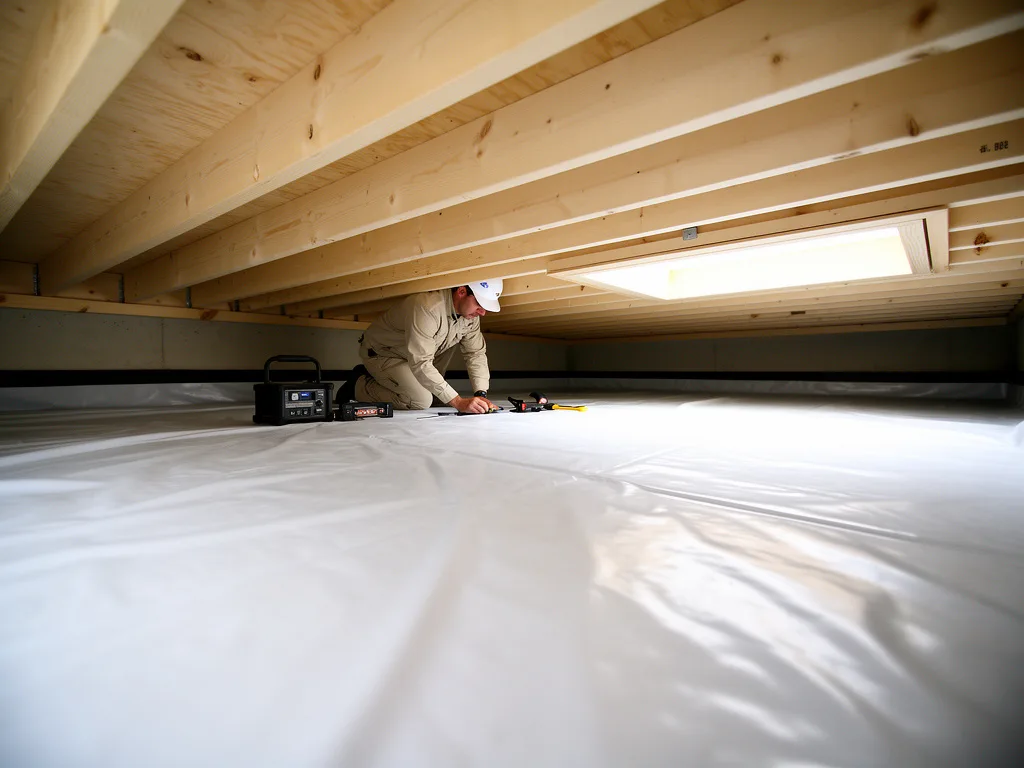
Crawl Space Mold Removal: before and after
Crawl Space Mold Removal Cleveland: your questions answered
How to remove mold from crawl space yourself DIY?
The EPA sets a do-it-yourself limit at about 10 square feet. A crawl space is cramped, damp and hard to ventilate, and moldy insulation has to come out, so many homeowners hand it to a crew.
Why does mold grow in a crawl space?
The ground gives off moisture, vents let in humid air and leaks add more. Wood and insulation then stay damp long enough for mold to grow.
Can a crawl space mold problem affect the rest of the house?
It can. Air moves between the crawl space and the living area, so a musty smell upstairs often points to the space below. People with asthma or allergies may notice it first.